Living
Trend Radar
◆Matchbox The Movie: Toy-Car Nostalgia Meets Your Most Chaotic Group Chat◆5 KPIs To Optimize Your Manufacturing Workflow◆39kg is Not an Aesthetic: Why Choi Yena’s “Discipline” is Actually a Warning Sign◆5 Elements Graders Look for in Trading Cards◆Precision Engineering Secrets That Save Time and Money◆Why Stronger Poles Matter for Modern Power Grids◆How Social Media Is Evolving the Way We Mod Cars◆Common Signs Your Car’s Cooling System Is Struggling◆Matchbox The Movie: Toy-Car Nostalgia Meets Your Most Chaotic Group Chat◆5 KPIs To Optimize Your Manufacturing Workflow◆39kg is Not an Aesthetic: Why Choi Yena’s “Discipline” is Actually a Warning Sign◆5 Elements Graders Look for in Trading Cards◆Precision Engineering Secrets That Save Time and Money◆Why Stronger Poles Matter for Modern Power Grids◆How Social Media Is Evolving the Way We Mod Cars◆Common Signs Your Car’s Cooling System Is Struggling
How To Protect Your Home’s Driveway This Winter
Snow and ice can wreak havoc on a home's driveway without proper preparation and repair. We show you how to protect your home's driveway this winter here.

Emma Radebaugh
As temperatures drop and the days grow shorter, homeowners naturally turn their attention to heating systems and insulation. However, one massive exterior feature you can’t overlook in your home is the driveway. Your driveway takes a beating during the winter, enduring heavy snow loads, harmful chemicals, and a relentless cycle of freezes and thaws. Without proper care, small hairline fractures can quickly turn into gaping potholes, leading to expensive repaving projects come spring. Keep reading to learn how to protect your home’s driveway this winter.
Prepare Before the Snow Falls
Ideally, you should prepare your driveway for defense against the oncoming freeze and snow. But if that’s not possible, there are still some things you can do to help your driveway brave the winter cold. Remove oil stains, moss, and piles of wet leaves immediately. Organic matter traps moisture against the pavement, accelerating deterioration and causing staining.
After cleaning and drying the surface, inspect the area closely for cracks. Water that seeps into these crevices will freeze and expand, forcing the pavement apart and widening the gap. Applying a fresh coat of driveway sealer acts as a protective barrier against moisture penetration and chemical damage. Apply this sealant on a dry day when the temperature remains above 50 degrees Fahrenheit to ensure proper curing.
Smart Maintenance During the Freeze
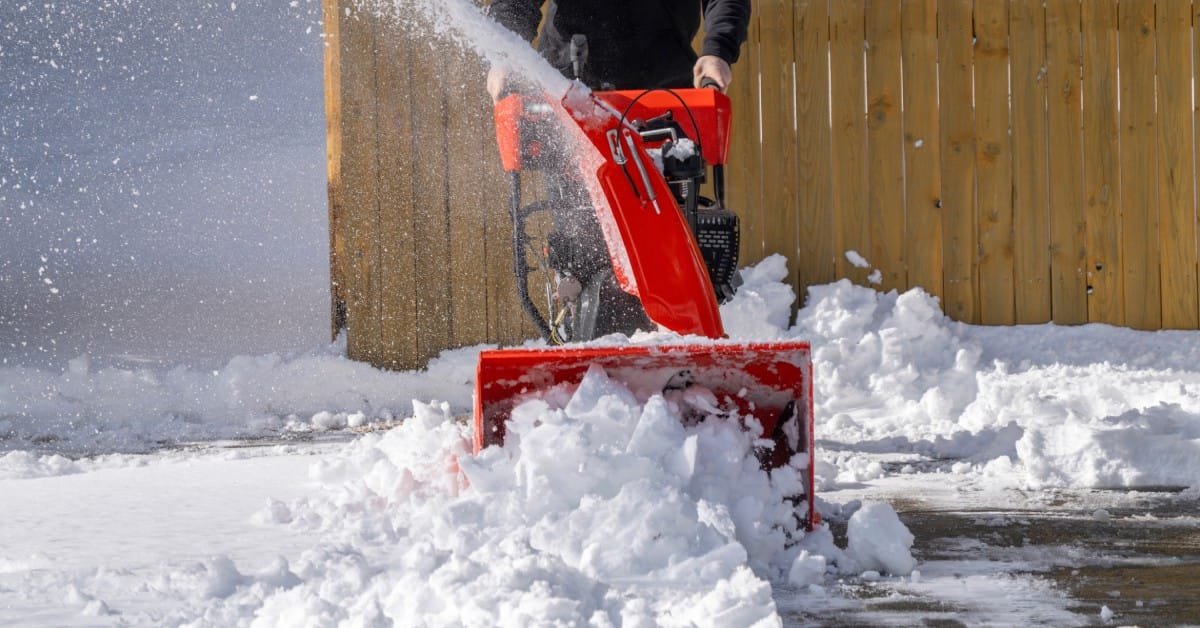
Consistent snow removal serves as your best defense during the coldest months. Shovel snow promptly after a storm to prevent it from melting and refreezing into a dangerous ice sheet. When you clear the path, choose your de-icing agents carefully. To protect your driveway from salt damage, avoid sodium chloride and consider calcium chloride or magnesium chloride, which are less harsh on pavement.
When protecting your home’s driveway this winter, it’s important to pay close attention to the tools you use. While a heavy-duty metal shovel may chip away ice effectively, it also gouges your driveway. These scratches strip away the sealant you applied in the fall, leaving the pavement vulnerable to water damage. Choose a plastic shovel or one with a rubber edge to protect your driveway while you work.
Inspect and Repair in Spring
Once the snow melts and the ground begins to thaw, inspect your driveway for any new signs of wear. Winter weather can expose weak points in the asphalt or concrete that were not visible previously.
You might notice new cracks or areas where the sealant has worn away. Address these new issues immediately. Early detection allows you to address the minor problems before spring rains cause water to seep into the subbase, compromising the structural integrity of the entire driveway.
Keep Your Driveway Strong Year-Round
Your driveway endures heavy vehicle traffic and harsh elements, but it does not have to crumble under the pressure. A small investment of time in the fall and winter saves you from the headache and high cost of resurfacing. Start your maintenance routine today to keep your home’s entrance safe, functional, and welcoming for years to come.
Share this signal
More Like This