Living
Trend Radar
◆5 KPIs To Optimize Your Manufacturing Workflow◆39kg is Not an Aesthetic: Why Choi Yena’s “Discipline” is Actually a Warning Sign◆5 Elements Graders Look for in Trading Cards◆Precision Engineering Secrets That Save Time and Money◆Why Stronger Poles Matter for Modern Power Grids◆How Social Media Is Evolving the Way We Mod Cars◆Common Signs Your Car’s Cooling System Is Struggling◆8 Mistakes ATV Riders Should Avoid When Off-Roading◆5 KPIs To Optimize Your Manufacturing Workflow◆39kg is Not an Aesthetic: Why Choi Yena’s “Discipline” is Actually a Warning Sign◆5 Elements Graders Look for in Trading Cards◆Precision Engineering Secrets That Save Time and Money◆Why Stronger Poles Matter for Modern Power Grids◆How Social Media Is Evolving the Way We Mod Cars◆Common Signs Your Car’s Cooling System Is Struggling◆8 Mistakes ATV Riders Should Avoid When Off-Roading
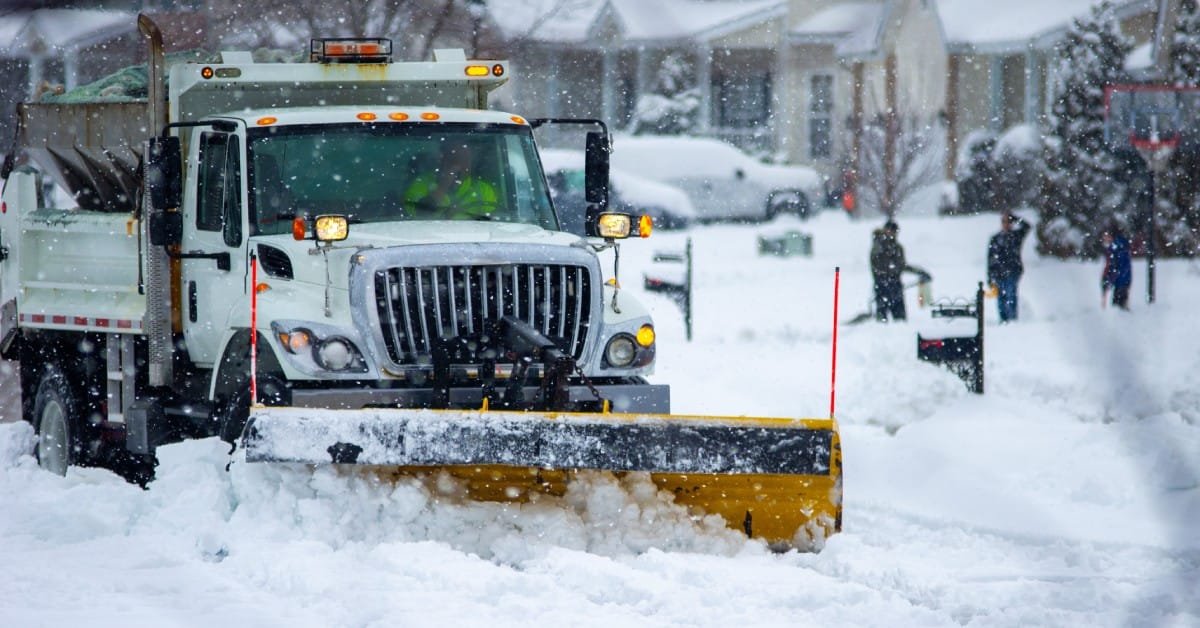
Top Mistakes Snowplow Operators Make During Snow Season
Every winter brings new challenges, but mistakes snowplow operators make during the snow season can leave a lasting impact. Choose your strategies wisely.

Emma Radebaugh
Snow season always brings a new set of challenges, no matter how many winters you’ve worked behind the plow. The early mornings and long hours all test your skills. In fact, mistakes snowplow operators make during the snow season aren’t just minor hiccups. They can slow you down, cost money, and risk safety. Awareness of where things typically go wrong is the key to staying efficient every time the snow flies.
Forgetting Pre-Season Inspections
Hitting the road without a thorough vehicle check is a recipe for disaster. Before the first flake falls, inspect your entire setup. This includes checking the plow’s hydraulic fluid, hoses, and electrical connections. You should also verify that all lights are working and that your tires are properly inflated for cold weather conditions. A simple pre-season once-over can prevent costly and time-consuming breakdowns in the middle of a storm.
Using the Wrong Equipment
Not all plows are created equal, and using the wrong attachment for the job can decrease efficiency and cause damage. For instance, using a standard plow for a large commercial lot might take far longer than necessary. Understanding how to approach different properties includes selecting the right snow pusher for skid steers to maximize your clearing power and speed. Matching your equipment to the specific demands of each site saves time and fuel.
Plowing at Unsafe Speeds
When the snow is piling up, it’s tempting to rush. However, plowing too fast is a major safety risk. High speeds reduce your reaction time and make it difficult to avoid hidden curbs or other obstacles buried under the snow. Plowing at a controlled, steady speed of 5-10 mph for clearing and under 20 mph for transport protects your equipment, the property you’re servicing, and yourself.
Neglecting Post-Season Maintenance
Once the snow melts, it’s easy to park your plow and forget about it until next year. This is a critical error. Salt and de-icing chemicals are highly corrosive and can cause major damage to your plow and truck if left unattended. Thoroughly wash your equipment at the end of the season, touch up any paint chips to prevent rust, and properly store it. This simple step extends the life of your valuable assets.
A successful snow removal season hinges on preparation and smart practices. By sidestepping these common issues, you can improve your performance and protect your bottom line. Paying attention to detail and avoiding the mistakes snowplow operators make during the snow season will set you apart from the competition and lead to a more productive winter.
Share this signal
More Like This