 Articles
Trend Radar
◆5 KPIs To Optimize Your Manufacturing Workflow◆39kg is Not an Aesthetic: Why Choi Yena’s “Discipline” is Actually a Warning Sign◆5 Elements Graders Look for in Trading Cards◆Precision Engineering Secrets That Save Time and Money◆Why Stronger Poles Matter for Modern Power Grids◆How Social Media Is Evolving the Way We Mod Cars◆Common Signs Your Car’s Cooling System Is Struggling◆8 Mistakes ATV Riders Should Avoid When Off-Roading◆5 KPIs To Optimize Your Manufacturing Workflow◆39kg is Not an Aesthetic: Why Choi Yena’s “Discipline” is Actually a Warning Sign◆5 Elements Graders Look for in Trading Cards◆Precision Engineering Secrets That Save Time and Money◆Why Stronger Poles Matter for Modern Power Grids◆How Social Media Is Evolving the Way We Mod Cars◆Common Signs Your Car’s Cooling System Is Struggling◆8 Mistakes ATV Riders Should Avoid When Off-Roading
Understanding Different Lash Types and How to Treat Them
Understand how to identify your lash type and discover tailored treatments for fine, coarse, and straight lashes to achieve optimal results.

Emma Radebaugh
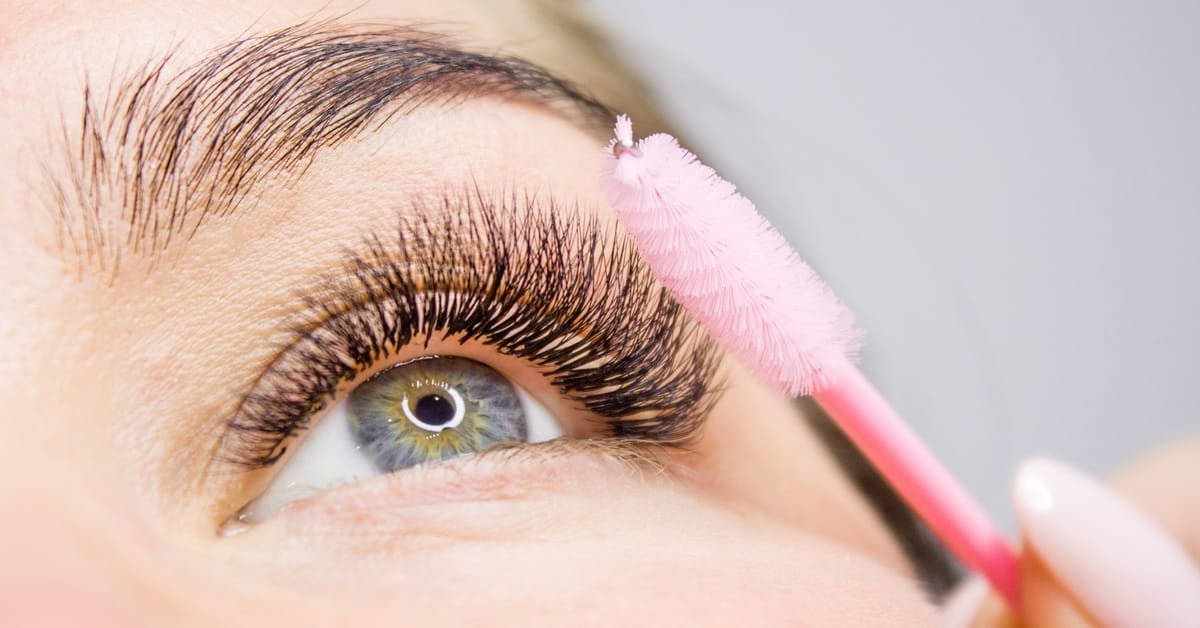
Every client deserves beautiful, lifted lashes, but achieving the perfect look requires more than a one-size-fits-all approach. Technicians must analyze the natural lash structure before applying lifting solutions or extensions.
Understanding the specific characteristics of different lash types allows for better customization and treatment. Professional stylists tailor their processing times and product choices to suit unique hair profiles. Explore the most common lash categories and the best practices for treating them effectively.
Lash Types Overview
Lash technicians generally categorize natural lashes based on their thickness, density, and growth direction. These factors determine how the hair reacts to chemical treatments and mechanical manipulation. A correct assessment prevents common issues such as over-processing, frizzy ends, or lifts that drop prematurely.
The cuticle layer of the lash dictates how quickly lifting solutions penetrate the hair shaft. Some lashes possess a tightly packed cuticle that resists chemicals, while others have a thinner structure that absorbs product rapidly.
Treating Fine Lashes
Fine lashes often appear lighter in color and feel softer to the touch than standard lashes. These delicate hairs possess fewer cuticle layers, which means lifting solutions penetrate them very quickly. Technicians must reduce processing times significantly to avoid damaging the internal structure of the lash.
Gentle handling is paramount when working with this lash type to prevent breakage or stress on the follicle. Using a milder lifting solution or a system with buffering agents protects the integrity of fine hair. Professionals should closely monitor the lifting process, as you can over-process these lashes can in mere seconds.
Managing Coarse Lashes
Coarse lashes are made up of thick, dark, and robust hairs that hold their natural shape stubbornly. The cuticle layer on coarse hair creates a strong barrier that slows down the absorption of chemical solutions. Technicians often need to extend processing times to ensure the bonds break sufficiently for reshaping.
Heat application can assist the lifting lotion in penetrating the resistant cuticle of coarse lashes effectively. Some modern lash services such as the Korean lash lift utilize specific softening phases to relax these tough hairs before setting the curl. Adequate hydration after the service helps coarse lashes maintain their new shape without becoming brittle.
Addressing Straight Lashes
Straight lashes grow downward or outward without any natural curl, often obscuring the eyes. This growth pattern requires precise shield placement to create a noticeable lifting effect at the root. Technicians must apply tension carefully to redirect the lashes upward without causing discomfort to the eyelid.
Selecting the correct rod size plays a crucial role in transforming straight lashes into a curled style. A smaller rod often provides the necessary lift to counteract the strong downward growth direction.
Technicians who understand the nuances of different lash types deliver superior results and provide better treatments. Tailoring the approach ensures that every client leaves with a look that enhances their natural features safely. Proper analysis prevents damage and guarantees a beautiful, lifted appearance for weeks.
Share this signal
More Like This