 Living
Trend Radar
◆Matchbox The Movie: Toy-Car Nostalgia Meets Your Most Chaotic Group Chat◆5 KPIs To Optimize Your Manufacturing Workflow◆39kg is Not an Aesthetic: Why Choi Yena’s “Discipline” is Actually a Warning Sign◆5 Elements Graders Look for in Trading Cards◆Precision Engineering Secrets That Save Time and Money◆Why Stronger Poles Matter for Modern Power Grids◆How Social Media Is Evolving the Way We Mod Cars◆Common Signs Your Car’s Cooling System Is Struggling◆Matchbox The Movie: Toy-Car Nostalgia Meets Your Most Chaotic Group Chat◆5 KPIs To Optimize Your Manufacturing Workflow◆39kg is Not an Aesthetic: Why Choi Yena’s “Discipline” is Actually a Warning Sign◆5 Elements Graders Look for in Trading Cards◆Precision Engineering Secrets That Save Time and Money◆Why Stronger Poles Matter for Modern Power Grids◆How Social Media Is Evolving the Way We Mod Cars◆Common Signs Your Car’s Cooling System Is Struggling
5 Elements Graders Look for in Trading Cards
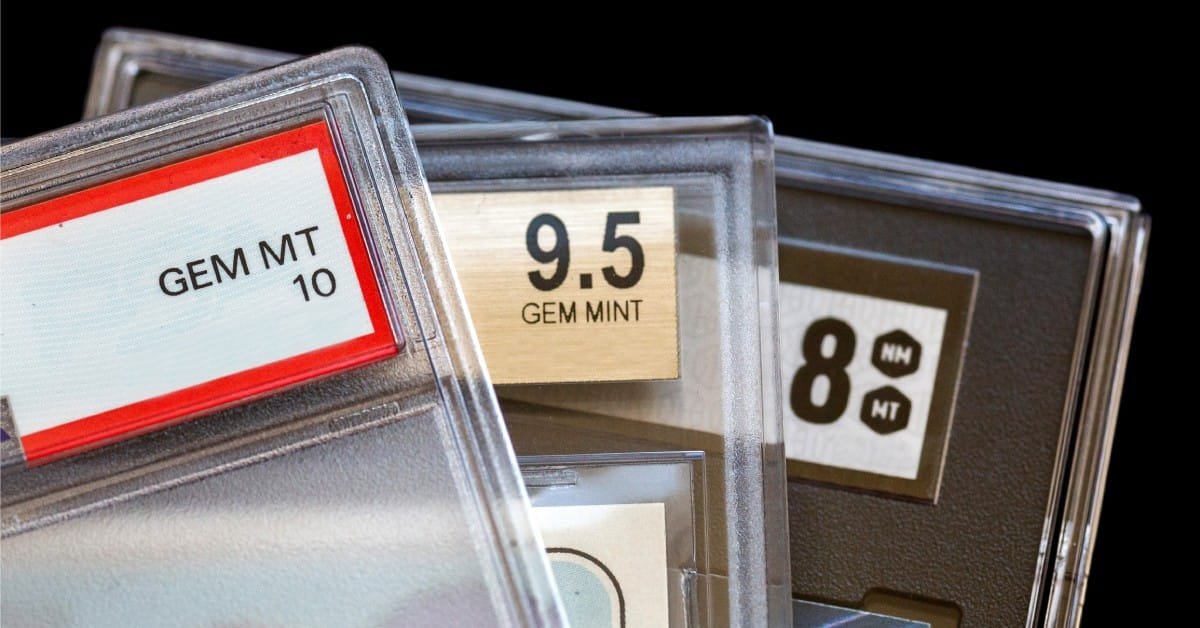
Want Gem Mint 10s? We break down the key elements graders look for in trading cards, including centering, corners, and surface flaws. Read the guide now.

Emma Radebaugh
The trading card hobby is blowing up right now. Whether you’re ripping packs of NBA Prizm, hunting for rare Pokémon holos, or just getting back into the game after finding your old binder in the garage, the potential for significant returns is real. But if you want to turn that cardboard into serious cash, you need to understand the grading game.
Sending raw cards off to PSA, BGS, or SGC feels like a gamble, but it doesn’t have to be. Once you know exactly what the experts are scrutinizing, you can predict your grades with way more accuracy. So, before you ship off your precious collection, let’s break down the elements graders look for in trading cards, so you don’t waste money grading a dud.
Centering: The Eye Appeal King
Centering is the first thing a grader (and a buyer) notices. It refers to how perfectly the image sits on the cardstock. You want the borders to be equal on all sides—top to bottom and left to right.
If a card is “off-center,” it looks lopsided. Graders measure this with precision tools and calculate the ratio. A “perfect” 10 usually requires 50/50 centering, though some companies allow a little wiggle room (like 60/40) on the back of the card. Even if the rest of the card is flawless, bad centering will instantly cap your grade.
Corners: Sharpness is Everything
When you handle a card, the corners take the most abuse. Graders examine these under high magnification. They want to see “sharp” corners—meaning points that come to a perfect crisp angle with no whitening, fraying, or rounding.
Even a tiny spec of white on the tip of a corner knocks a card down from a Gem Mint 10 to a Mint 9. If you dropped the card or shoved it into a penny sleeve too aggressively, you likely damaged a corner. This element is why careful handling is a non-negotiable.
Edges: The Silent Killer
Collectors often overlook edges, but graders definitely don’t. They run their eyes (and loupes) along the sides of the card to check for chipping, roughness, or foil lifting.
This feature is prevalent with modern chrome cards or thick patch cards. You might see silvering along the edge where the cutting blade separated the card from the sheet. Clean, sharp edges are vital for hitting those high numbers.
Surface: The Flaw Finder
The surface grade covers everything on the face and back of the card. Graders look for scratches, print lines, creases, and even fingerprints.
- Scratches: Hairline scratches on holographic surfaces are notoriously hard to spot with the naked eye, but will tank a grade.
- Print Lines: These are manufacturing errors that look like faint horizontal or vertical lines running across the card.
- Surface Dimples: Tiny indentations in the cardstock.
The preparation process for grading is also instrumental for the card’s surface. Always wipe your cards with a microfiber cloth before submitting them to remove smudges or oils.
Authentic Color and Gloss
Finally, graders check the color and gloss for integrity. Sun fading or moisture damage ruins the visual appeal. The colors should pop, and the gloss should be uniform. If a card looks washed out or has lost its original sheen, it won’t score well among the elements graders look for in trading cards.
The Final Verdict
Grading transforms your collection from a fun hobby into a serious investment portfolio. By inspecting your cards for centering, corners, edges, and surface issues, you save yourself the headache of paying for low grades. Keep your collection sharp and have fun hunting for that next card!
Share this signal
More Like This