
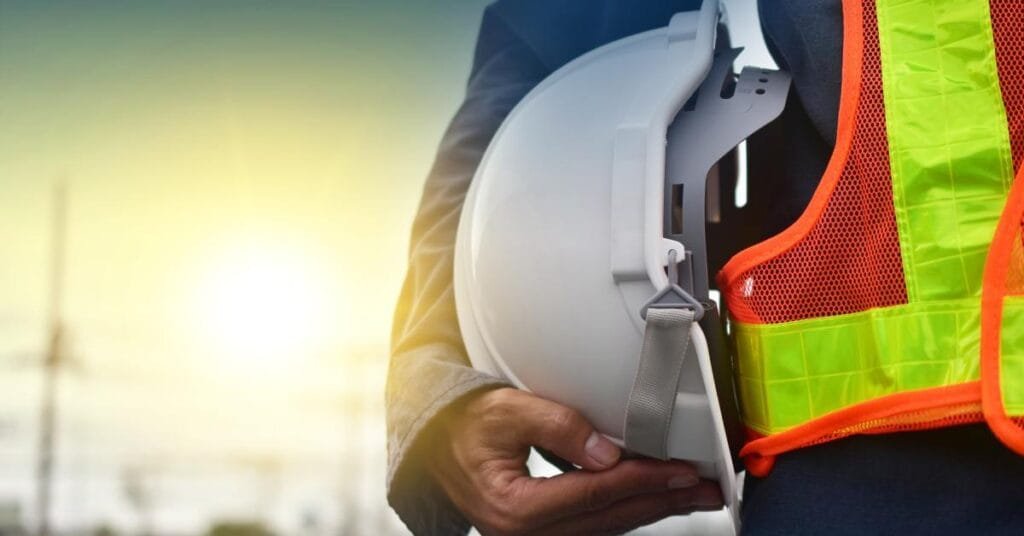
So, you’ve just landed your first construction gig—congrats! Before you show up to the job site looking like you wandered off a movie set, let’s talk about the most essential piece of gear you’ll own: your hard hat.
This piece of equipment isn’t just some random helmet your boss makes you wear. Your hard hat literally protects your skull from falling tools, debris, and those “oops” moments that happen way more often than you’d think. Let’s explore what every construction worker should know about hard hats to help you stay safe and look like you actually belong on site.
Understanding the Different Classes
Hard hats come in different classes, and yeah, it actually matters which one you wear. Class G (General) handles basic impacts and protects against low-voltage shocks up to 2,200 volts. Class E (Electrical) steps things up with protection against high-voltage conductors up to 20,000 volts.
Class C (Conductive) offers no electrical protection but is suitable for jobs where electrical hazards aren’t a concern. Your supervisor will tell you which class you need, but knowing the difference beforehand shows you care about staying safe.
Type I vs. Type II Hard Hats: Know the Difference
Here’s where things get specific. Type I vs. Type II hard hats refer to the impact protection zones each helmet covers. Type I protects the top of your head from falling objects, think traditional hard hat vibes.
Type II takes protection further by guarding against lateral impacts as well, meaning side hits from swinging materials or accidental bumps. Most construction sites require Type I, but certain jobs need that extra Type II coverage. Check with your site supervisor to determine the level of protection needed for your specific role.
Finding the Perfect Fit
Your hard hat should fit snugly but not squeeze your head like a vice. The suspension system inside adjusts to different head sizes, and you can tweak it until it feels secure.
Leave about an inch between your head and the shell. This gap absorbs impact energy when something strikes your helmet.
A loose hard hat will slide around and potentially fall off when you bend down. Test the fit by shaking your head side to side. If it moves more than slightly, tighten that suspension system.
Maintaining Your Lid
Your hard hat takes constant abuse, so inspect it regularly for cracks, dents, or any signs of damage. Even small cracks can compromise the entire structure and leave you vulnerable to serious injury. UV rays from the sun break down the material over time, so replace your helmet every five years max, sooner if you see visible wear.
Clean it with mild soap and water, and skip the harsh chemicals or paint that can weaken the shell. Treat your hard hat right, and it’ll keep your brain safe throughout your entire construction career. What every construction worker should know about hard hats is that this simple piece of equipment stands between you and life-changing injuries.