
Excavation lays the groundwork for any successful construction project. Choosing the wrong method can cause costly delays, safety hazards, and potential environmental damage. Whether you break ground on a commercial skyscraper or install a backyard pool, the digging technique matters immensely.
Site managers and property owners must evaluate several factors before moving any earth. The specific land conditions, the project scope, and the surrounding environment all play critical roles in the decision-making process. Below, we’ll show you how to identify the ideal excavation method for your job.
Excavation Project Considerations
You cannot choose a method without first understanding the variables at play. A thorough analysis provides safety and enables efficiency from day one.
Site Assessment
Before a single shovel hits the dirt, you must understand the ground beneath you. Soil type dictates trench stability and the machinery you require. Sandy soil collapses easily and requires shoring, while clay holds its shape but proves difficult to penetrate. High water tables may require dewatering pumps or special wet excavation techniques.
Project Requirements
The depth and width of the dig also influence your choice. A massive foundation requires heavy machinery capable of moving tons of earth per hour, whereas precise utility work needs a more delicate touch to avoid damaging existing lines. Timeline pressures can push contractors toward faster, mechanized options, while budget constraints might limit the use of advanced technology.
Environmental Considerations
You must also consider the surroundings. Urban environments with strict noise ordinances or nearby protected habitats limit the use of heavy machinery. Minimizing the carbon footprint and preventing soil erosion should remain top priorities during planning.
Common Excavation Methods
To identify the ideal excavation method for your job, you must understand the methods available to you. Most projects will utilize either hand, trenching, or hydro excavation.
Hand Excavation
Historical methods still have a place in modern construction. Laborers use picks and shovels for small, delicate tasks where heavy equipment cannot fit or might cause damage. This method offers high precision and prevents damage to underground artifacts or utilities, but it lacks the speed necessary for large-scale jobs.
Trenching
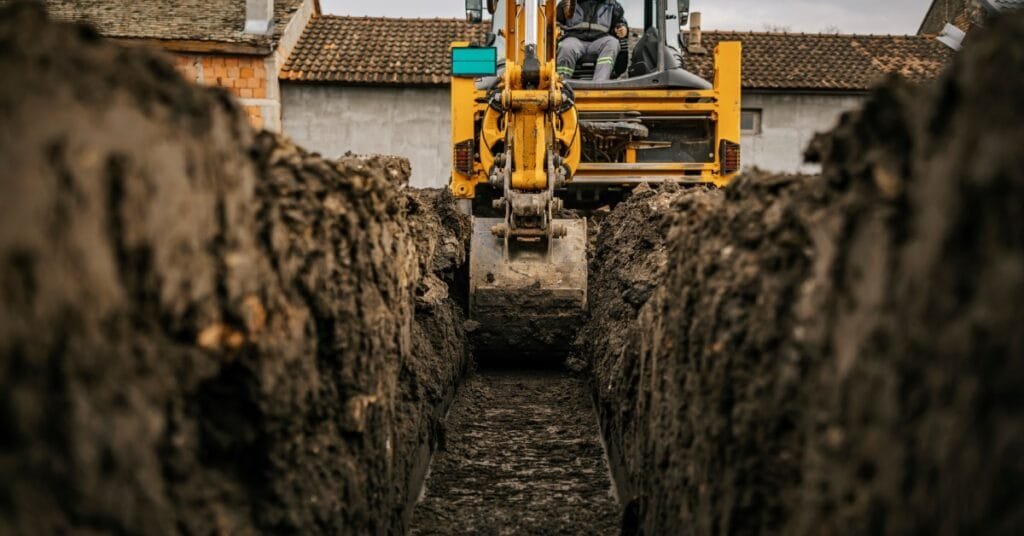
Contractors typically use excavators or backhoes for this standard method. The machine excavates a narrow trench, typically for burying utility lines or pouring strip foundations. It moves large volumes of earth quickly but requires significant space for the equipment to maneuver.
Hydro Excavation
This non-destructive technique uses high-pressure water to break up soil and a vacuum to suck up the resulting slurry. Hydro excavation is safer than standard digging methods because it’s more precise than trenching and is much less disruptive near sensitive infrastructure. While it offers superior safety and precision, it can cost more than traditional mechanical digging.
Making an Informed Decision
Every construction site presents unique challenges. Success depends on balancing the soil conditions, project scope, and environmental constraints against your budget and timeline. By carefully evaluating these factors, you make your excavation process safe, efficient, and successful.