
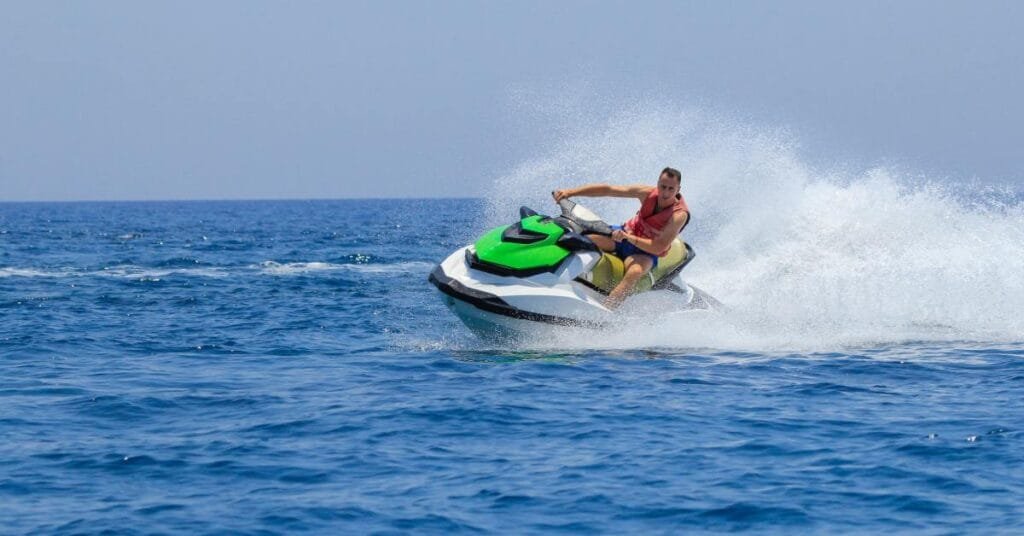
Cruising the waves on your PWC is the ultimate summer vibe, but nothing kills the mood faster than an engine that won’t start. While most riders obsess over flashy decals or custom mats, the real magic happens deep inside the engine block.
Spark plugs might look small and insignificant, but they literally provide the spark that keeps your adrenaline pumping. Ignoring them is basically asking for a tow back to the dock, which is definitely not the aesthetic anyone is going for this season. Here are a few quick things to know about jet ski spark plugs you’ll be happy you learned.
Why Size and Type Matter (Like, A Lot)
Not all spark plugs are the same, and grabbing a random pack from the auto parts store is a rookie mistake. Your jet ski engine operates at much higher RPMs than a typical car, meaning it generates intense heat and vibration that standard plugs just can’t handle.
Always check your owner’s manual for the specific NGK or brand code recommended for your model because using the wrong heat range can melt a piston or foul the plug instantly. Sticking to OEM specs ensures your engine fires correctly every time you hit the throttle.
The Gap Is Everything
Before you install new plugs, checking the gap is absolutely necessary. The gap refers to the tiny distance between the center and ground electrodes where the spark jumps across.
If this space is too wide, the spark might be too weak to ignite the fuel; if it’s too narrow, the plug won’t fire efficiently. Most plugs come pre-gapped, but shipping can bang them around, so using a gapping tool to verify the measurement takes five seconds and saves hours of headache later.
Reading Your Plugs Tells a Story
Pulling your old spark plugs out is like reading your engine’s diary. The color and condition of the tip reveal exactly how your engine is performing.
- Tan or Light Brown: Your engine is running perfectly, so keep doing what you’re doing.
- Black or Sooty: The engine is running rich, meaning it’s burning too much fuel and might need tuning.
- White or Blistered: The engine is running lean or overheating, which is a major red flag that needs immediate attention.
- Oily: You might have worn piston rings or internal seal issues.
When To Change Them Out
Waiting until your ski won’t start is not the strategy. Most manufacturers recommend swapping plugs every year or every 50 hours of riding, whichever comes first. Saltwater riders need to be even more diligent since corrosion accelerates everything.
Changing spark plugs is one of those jet ski maintenance tasks you should never skip because fresh plugs guarantee easier starts and better fuel economy. Plus, they are cheap insurance against engine failure when you’re miles offshore.
Anti-Seize Is Your Bestie
Aluminum cylinder heads and steel spark plugs can react weirdly together, especially in marine environments. Applying a tiny dab of anti-seize compound to the plug threads prevents them from welding themselves to the engine block over time.
Just be careful not to over-torque them when installing, as stripping the threads on the engine head turns a ten-dollar repair into a thousand-dollar nightmare. Hand-tighten them first, then give them a snug quarter-turn with a wrench.
Don’t let a ten dollar part ruin a weekend trip. Keeping a fresh set of plugs and a wrench in your storage compartment is the ultimate flex for prepared riders. Stay on top of your spark plugs, keep the vibes high, and make sure your jet ski is ready to rip whenever you are.