 Articles
Trend Radar
◆5 KPIs To Optimize Your Manufacturing Workflow◆39kg is Not an Aesthetic: Why Choi Yena’s “Discipline” is Actually a Warning Sign◆5 Elements Graders Look for in Trading Cards◆Precision Engineering Secrets That Save Time and Money◆Why Stronger Poles Matter for Modern Power Grids◆How Social Media Is Evolving the Way We Mod Cars◆Common Signs Your Car’s Cooling System Is Struggling◆8 Mistakes ATV Riders Should Avoid When Off-Roading◆5 KPIs To Optimize Your Manufacturing Workflow◆39kg is Not an Aesthetic: Why Choi Yena’s “Discipline” is Actually a Warning Sign◆5 Elements Graders Look for in Trading Cards◆Precision Engineering Secrets That Save Time and Money◆Why Stronger Poles Matter for Modern Power Grids◆How Social Media Is Evolving the Way We Mod Cars◆Common Signs Your Car’s Cooling System Is Struggling◆8 Mistakes ATV Riders Should Avoid When Off-Roading
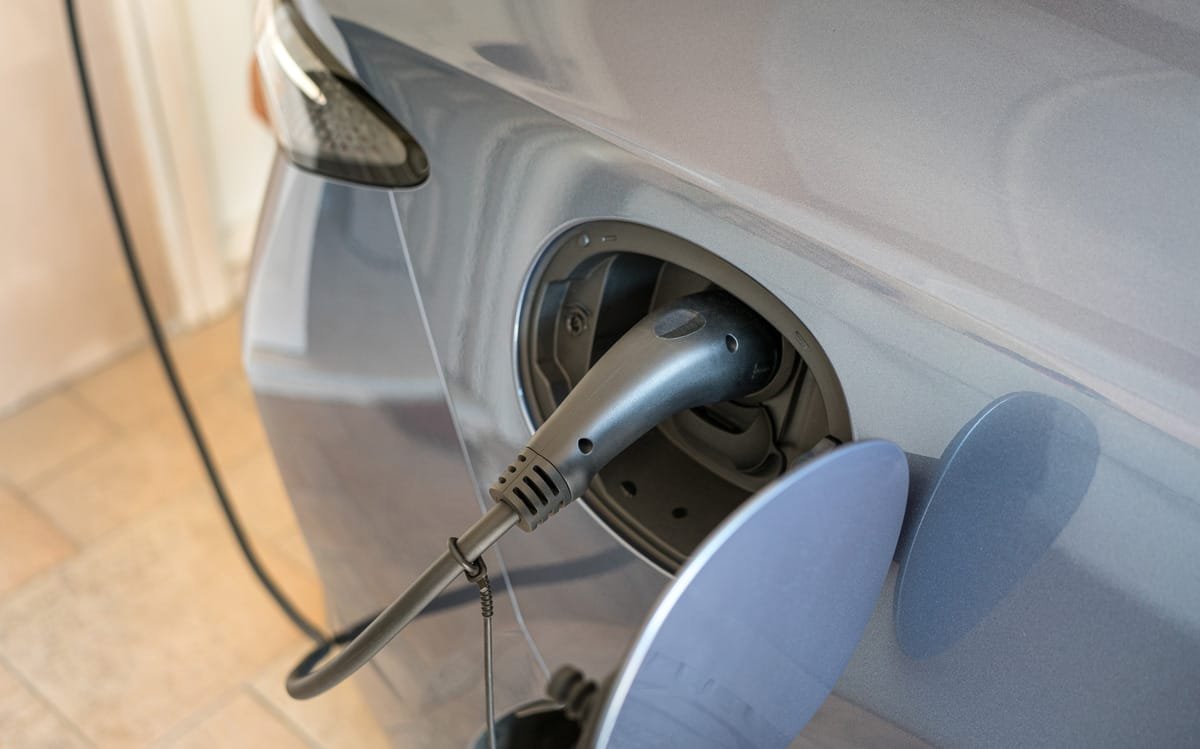
The 5 Biggest Issues Facing EV Batteries
EVs may be the way of the future, but they’re not without problems. Click here to uncover the five biggest issues that EV batteries are facing.

Emma Radebaugh
Electric vehicles (EVs) are shaping the future of transportation, but they’re not without problems. Specifically, there are concerns about their batteries not being ethical, eco-friendly, and reliable. These problems will likely slacken and evolve in the future, but for now, here are the five biggest issues facing EV batteries.
Unethical Material Sourcing
EV batteries typically contain cobalt, nickel, and lithium, all of which entail significant ethical concerns when it comes to their sourcing.
Much of the cobalt, for example, comes from mines that exploit labor in the Democratic Republic of Congo. Unsafe working conditions, child labor, and lack of fair wages cast a dark shadow over these materials.
High-Emission Production
Despite the green reputation of EVs, their batteries undergo energy-intensive production processes. Mining raw materials, refining metals, and manufacturing batteries emit substantial greenhouse gases. This carbon footprint complicates efforts to achieve net-zero transportation goals.
Recycling Challenges
End-of-life management for EV batteries remains a major hurdle. Only a fraction of spent batteries currently undergo recycling—the rest degrade in landfills and leech hazardous chemicals into the environment.
Moreover, dead EV batteries still contain valuable metals that are prime for recycling. However, the complex process of extracting reusable components from battery cells hinders large-scale recycling efforts. Also, as we mentioned, few batteries at the end of their lives make it to recycling plants, meaning their valuable materials exit production cycles and effectively go to waste.
Temperature Sensitivity
EV batteries operate best within specific temperature ranges. Severe heat or cold can significantly degrade battery performance and longevity. For instance, EV batteries in extremely cold climates struggle to maintain a charge.
To complicate the issue, EV batteries run very hot. There are currently manufacturing methods in place to control battery temperature, such as using lithium-ion batteries and relying on the right connections. For instance, one of the high-temperature applications of five-cavity connectors is EV battery support. Still, finding powerful cooling systems can be a challenge.
Insufficient Charging Access
Even though EV battery range has improved immensely, it is still cause for concern because EV owners often struggle to find charging stations on the go. As more and more people buy EVs, more and more charging stations become continuously occupied. Unless an EV owner installs a charging port at their home and travels only within their battery’s range, charging access is a pressing concern.
Electric vehicles are here to stay, but there are still issues to address. These are the biggest problems facing EV batteries right now, and with time, hopefully they will give way to sustainable advancements and solutions.
Share this signal
More Like This