
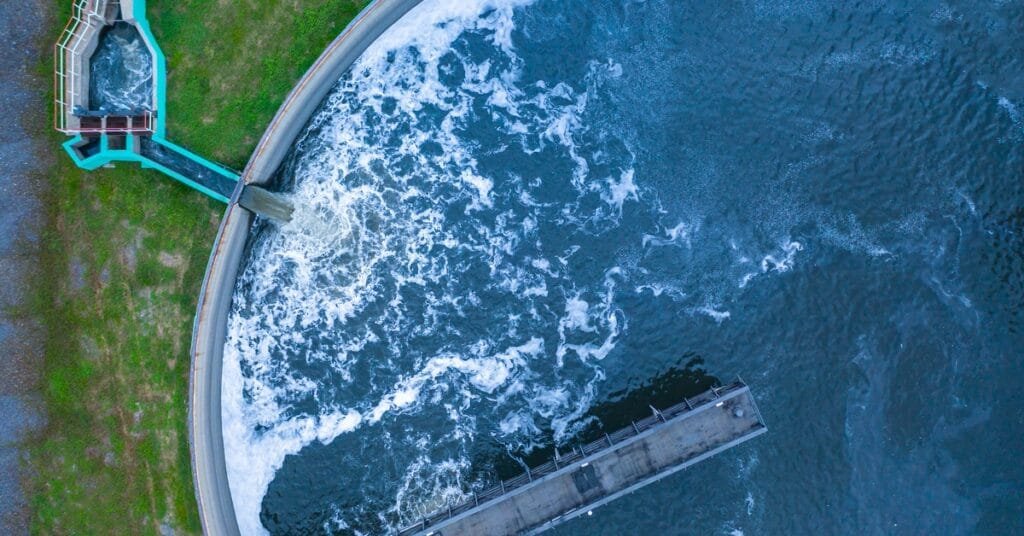
Water scarcity presents a significant obstacle for communities and industries in arid regions. These areas face intense pressure to manage limited water resources effectively.
Water recycling is a practical solution to increase supply and support sustainable development in drought-prone environments. These are the basics you need to know about water recycling in arid regions, including common challenges and how to solve them.
The Challenge of Water Loss
One of the primary difficulties in managing water in dry climates is preventing loss through evaporation and seepage. Open reservoirs and unlined storage ponds can lose substantial amounts of water, a critical issue when every drop counts. This loss undermines the efficiency of any water conservation effort.
Storing recycled water securely is essential for its successful reuse. Without proper containment, valuable treated water can seep back into the ground or become contaminated, rendering it unusable for agricultural or industrial applications.
Secure Storage with Tank Liners
Tank liners provide a direct solution to water loss in storage facilities. These impermeable barriers effectively prevent seepage, ensuring that stored water remains within the containment system. By lining tanks, ponds, and reservoirs, operators can maximize water retention.
This secure containment is vital for maintaining the viability of water recycling programs. The liner’s role in water recycling is to protect the stored water from ground contaminants and prevent the treated water from escaping, which is crucial for both resource conservation and environmental protection.
Enhancing Water Quality
Maintaining the quality of recycled water is as important as preventing its loss. Tank liners create a protective barrier between the stored water and the tank structure, which can be made of concrete or steel. This separation prevents leaching and corrosion that could contaminate the water.
By safeguarding water quality, liners ensure the recycled resource is fit for its intended purpose, such as crop irrigation or industrial processes. This reliability makes water recycling systems a more dependable source for users in water-stressed regions.
Supporting Diverse Applications
Effective water storage enables recycled water to support various sectors in arid climates. Agriculture, a major water consumer, can use recycled water for irrigation, reducing reliance on strained freshwater sources. This practice helps sustain agricultural productivity despite low rainfall.
Industries also benefit from a consistent supply of recycled water for processes like cooling and cleaning. By utilizing tank liners to secure this resource, agriculture and industry can operate more sustainably, strengthening the economic resilience of the region.
A Foundation for Water Security
These are the fundamental components for successful water recycling in arid regions. They directly address the challenges of water loss and contamination. By providing secure and reliable storage, tank liners enable communities and industries to make the most of every available water source.