
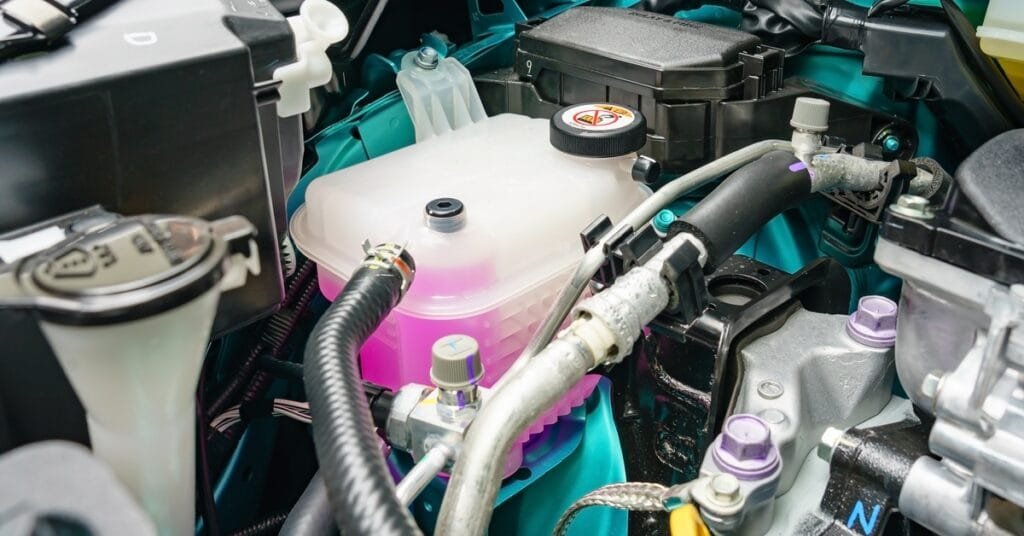
Nobody wants to be that person stranded on the side of the highway with steam pouring out from under the hood. It definitely ruins the vibe of a road trip. Your engine works hard, and it generates a ton of heat in the process. When things get too hot to handle, you need to know what to look for immediately. Identifying common signs that your car’s cooling system is struggling can save your wallet from major repair bills later.
The Temperature Gauge Is Creeping Up
Your dashboard gives you the biggest hint before things go totally wrong. Most drivers ignore the temperature gauge until it hits the red zone, but you should keep a closer eye on it. If that needle starts climbing higher than usual or the digital readout spikes, your car is basically screaming that it can’t regulate its own heat. Pulling over to let the engine cool down is the safest move here.
Puddles Under Your Parking Spot
Finding a mysterious puddle under your car is a major red flag. Coolant typically comes in bright, unnatural colors like green, pink, or orange. If you spot a liquid on the driveway, you likely have a leak in a hose or the radiator itself. Low coolant levels mean the system can’t circulate fluid effectively to keep the engine block cool, leading to rapid overheating.
That Sweet, Syrupy Smell
Catching a whiff of something sweet while driving usually isn’t a good thing. Antifreeze has a distinct, sugary odor that is hard to miss once you recognize it. If you smell this inside the cabin or right after you park, hot coolant might be escaping and burning off on the hot engine surface. This often happens before the liquid hits the ground, making the smell an early warning system.
Your Heater Is Blowing Cold Air
It sounds weird, but your heating system relies on the same hot coolant that circles through the engine. If the heater starts blowing cold air when it should be warm, it might mean a blockage or low fluid levels are preventing hot coolant from reaching the heater core. While diagnosing this, it helps to understand the components of your vehicle’s AC system so you don’t confuse cabin climate issues with critical engine cooling failures.
Steam or Smoke Under the Hood
This is the most dramatic and serious symptom. If you see white steam billowing out, pull over safely and immediately turn off the ignition. This usually indicates the coolant reached its boiling point and the system failed completely. Never open the radiator cap while the car is hot, as the pressure can cause severe burns.
Your car talks to you in squeaks, smells, and gauge movements. Listening to it prevents a simple fix from becoming an engine replacement. Staying aware of these common signs that your car’s cooling system is struggling keeps your ride smooth.