 Living
Trend Radar
◆Matchbox The Movie: Toy-Car Nostalgia Meets Your Most Chaotic Group Chat◆5 KPIs To Optimize Your Manufacturing Workflow◆39kg is Not an Aesthetic: Why Choi Yena’s “Discipline” is Actually a Warning Sign◆5 Elements Graders Look for in Trading Cards◆Precision Engineering Secrets That Save Time and Money◆Why Stronger Poles Matter for Modern Power Grids◆How Social Media Is Evolving the Way We Mod Cars◆Common Signs Your Car’s Cooling System Is Struggling◆Matchbox The Movie: Toy-Car Nostalgia Meets Your Most Chaotic Group Chat◆5 KPIs To Optimize Your Manufacturing Workflow◆39kg is Not an Aesthetic: Why Choi Yena’s “Discipline” is Actually a Warning Sign◆5 Elements Graders Look for in Trading Cards◆Precision Engineering Secrets That Save Time and Money◆Why Stronger Poles Matter for Modern Power Grids◆How Social Media Is Evolving the Way We Mod Cars◆Common Signs Your Car’s Cooling System Is Struggling
How Airflow Design Affects Turbocharged Engines
You spent good money on that turbo setup, so you want it to perform. But simply bolting on a big…

Emma Radebaugh
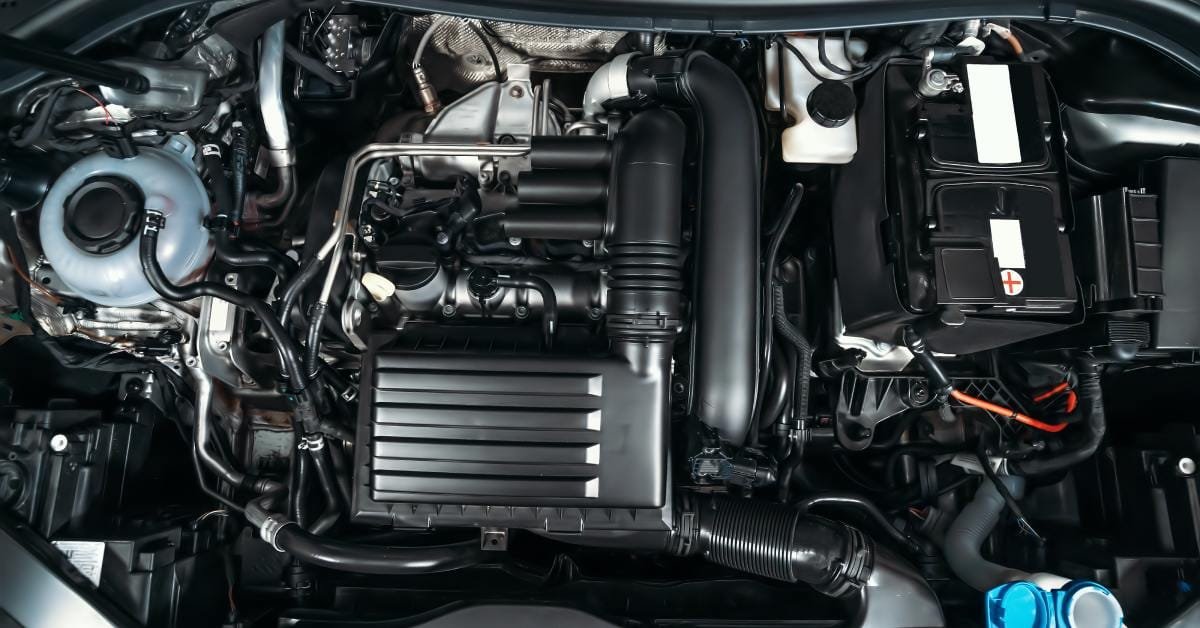
You spent good money on that turbo setup, so you want it to perform. But simply bolting on a big turbo isn’t enough if the air can’t move freely through the system. The real magic happens in how airflow design affects turbocharged engines. When restriction is reduced and heat is properly managed, the entire system can operate at peak efficiency and deliver the power you paid for.
Turbulence vs. Laminar Flow
The air within an engine does not just move freely; it flows in specific patterns. Laminar flow is smooth and streamlined, while turbulent flow is chaotic and inefficient. In a performance engine, you want laminar flow entering the compressor housing. Rough piping interiors or sudden changes in diameter create turbulence. This chaos acts as an invisible wall, forcing the turbocharger to work harder just to draw in air.
Intake Path Restrictions
Your turbo needs to breathe deeply to generate power. If the intake path features sharp 90-degree bends, the air velocity noticeably diminishes before it reaches the compressor wheel. You want the straightest, smoothest shot possible to the inlet. High-quality intakes minimize the vacuum the turbo fights against. Less resistance means the compressor wheel can spool up faster, giving you that boost hit sooner.
Intercooler Core Design
Compressing air generates heat, and hot air lacks oxygen density. That kills combustion efficiency, and your intercooler design plays a massive role here. Fin density and internal flow channels determine how well heat transfers out of the charge air. If the airflow through the core meets too much resistance, you lose boost pressure before it even reaches the throttle body. It is a constant balancing act between cooling capacity and flow rate.
Manifold Geometry
Once that cooled air reaches the intake manifold, it must be distributed evenly. Poorly designed plenums often starve the rear cylinders while flooding the front ones. This imbalance leads to uneven combustion and severely limits your tuning potential. Engineers flow-test manifolds to verify that each cylinder receives the same volume of air, ensuring consistent power delivery.
Managing Exhaust Backpressure
Exhaust backpressure is critical for top-end performance. The turbine spins based on exhaust gas velocity exiting the engine. If your downpipe creates backpressure, the turbine stalls and can’t spin freely. This is often why Subaru enthusiasts look into whether aftermarket exhausts really boost WRX power. Reducing backpressure allows the turbo to exhale more efficiently, which helps the intake side work more effectively.
Every part of a forced induction system relies on the others. If one component restricts flow, the entire setup suffers. Paying attention to pipe diameter and bend radius makes a tangible difference in throttle response. Understanding how airflow design affects turbocharged engines allows you to build a responsive, reliable street machine.
Share this signal
More Like This