 Style
Style
Trend Radar
◆Dopamine Chamber and Capital One Mobile hit #1, while indie games surge◆Matchbox The Movie: Toy-Car Nostalgia Meets Your Most Chaotic Group Chat◆5 KPIs To Optimize Your Manufacturing Workflow◆39kg is Not an Aesthetic: Why Choi Yena’s “Discipline” is Actually a Warning Sign◆5 Elements Graders Look for in Trading Cards◆Precision Engineering Secrets That Save Time and Money◆Why Stronger Poles Matter for Modern Power Grids◆How Social Media Is Evolving the Way We Mod Cars◆Dopamine Chamber and Capital One Mobile hit #1, while indie games surge◆Matchbox The Movie: Toy-Car Nostalgia Meets Your Most Chaotic Group Chat◆5 KPIs To Optimize Your Manufacturing Workflow◆39kg is Not an Aesthetic: Why Choi Yena’s “Discipline” is Actually a Warning Sign◆5 Elements Graders Look for in Trading Cards◆Precision Engineering Secrets That Save Time and Money◆Why Stronger Poles Matter for Modern Power Grids◆How Social Media Is Evolving the Way We Mod Cars
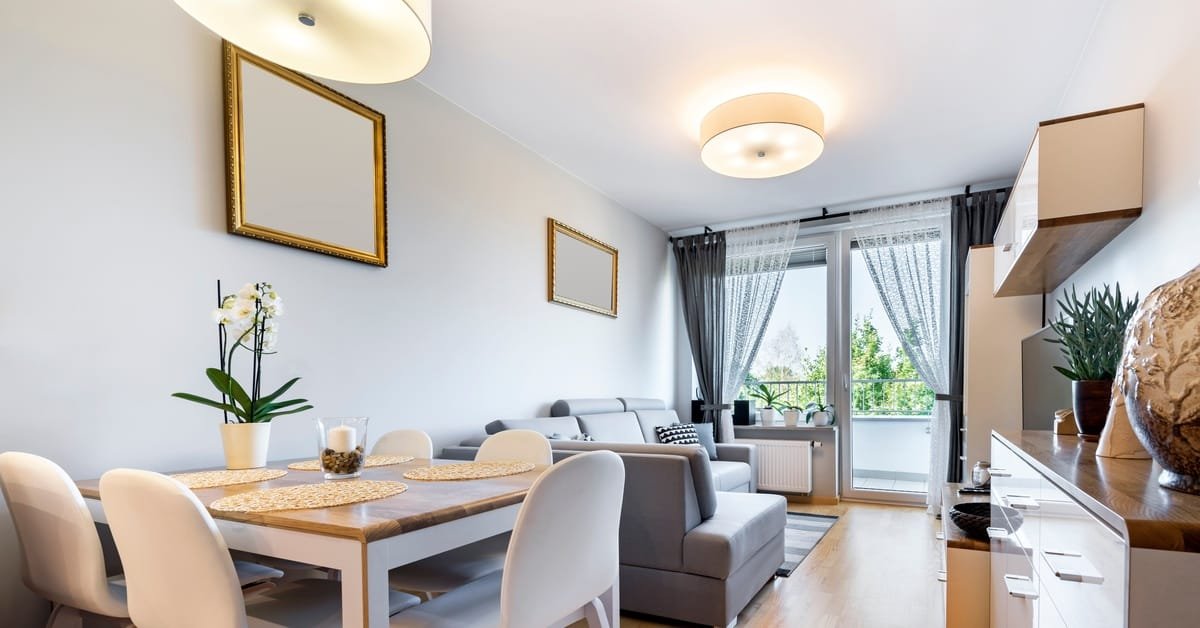
How To Maximise Natural Light in Small Spaces
Maximise natural light in small spaces with practical tips on using light colours, reflective surfaces, and minimal window treatments to brighten your home.

Emma Radebaugh
Living in a small space often presents a unique set of design challenges, with the lack of natural light being one of the most common. While bright, airy rooms create a sense of openness and warmth, achieving this effect in compact homes requires careful planning and creativity. This guide explores practical strategies on how to maximise natural light in small spaces and transform dark, confined interiors into light-filled havens.
Use Light Colours for Walls and Floors
The foundation of any well-lit room begins with colour selection. Light colours have the power to reflect and amplify natural light, making a space appear brighter and larger. For walls, choose soft white, cream, or pastel shades to create a luminous backdrop.
Flooring plays an equally important role, so consider lightly coloured wood, tiles, or carpet to enhance the flow of light. If a full renovation isn’t an option, large area rugs can achieve the same effect without the need for drastic changes.
Incorporate Reflective Surfaces
Maximising natural light in small spaces requires clever use of reflective surfaces. Strategically positioned mirrors will bounce natural light around the room. For example, placing mirrors opposite from windows can double the amount of light entering the space. Incorporating reflective furniture, glass accents, and metallic finishes on light fixtures and hardware can also subtly increase brightness without overwhelming the space.
Choose Sheer or Minimal Window Treatments
Heavy, dark curtains absorb light and make a small room feel even more cramped. Instead, select sheer or light-coloured curtains to allow sunlight to filter in, creating a bright and airy atmosphere.
For privacy, frosted window films or lightweight blinds offer a great solution, allowing natural light to flow in. The main goal here is to avoid heavy fabrics that unnecessarily block sunlight.
Maximise Window Space
How you use the window space you have is important when considering ways to increase natural light in your home. Ensure that windows remain unobstructed by keeping sills and frames free from large items or clutter.
Regularly cleaning your windows is another simple yet effective way to ensure the maximum amount of light enters your home. A clear, unimpeded pane of glass allows sunlight to pour in, keeping your space feeling fresh and open.
Implement Multifunctional Layouts
Furniture arrangement can influence how light moves throughout a room. To maximise natural light in small spaces, choose low-profile furniture that doesn’t obstruct windows. Transparent pieces, such as glass coffee tables, allow light to flow freely, while multifunctional furniture helps reduce clutter and create a more open layout. Position major furniture items carefully, ensuring they don’t block light pathways.
Add Artificial Light Strategically
While natural light is a priority, artificial lighting can complement and enhance the room’s overall brightness. Layered lighting with a combination of overhead lights, floor lamps, and table lamps illuminates dark corners during cloudy days or evenings. Warm, daylight-mimicking bulbs maintain a natural glow, preserving the airy ambiance of your space even after the sun sets.
By incorporating these thoughtful ideas, you can turn even the most compact space into a bright, welcoming home and harness the full potential of your living space.
Share this signal
More Like This